
DIGITAL MARKETING


LED Display Screens in Dubai, UAE
Looking for an LED screen supplier in Dubai? EDS provides LED display solutions across Dubai and the UAE, including indoor LED screens, outdoor LED displays, LED video walls, transparent LED screens, flexible LED displays, mesh screens, LED posters. and temporary LED screen rentals.
LED displays are used for retail advertising, shopping malls, building facades, corporate offices, hotels, restaurants, exhibitions, entertainment venues and large-scale commercial installations. They allow businesses to display videos, animations, promotional campaigns, presentations and real-time information on screens designed for different viewing distances and environments.
Established in Dubai in 2006, EDS FZCO provides integrated advertising and digital display solutions, supporting LED screen projects from technical specification and supply to installation, configuration, content requirements and maintenance, depending on the project scope.
Businesses can also explore dedicated LED screen solutions in Dubai for specialised display applications, installation requirements and technical specifications.
Our LED display solutions in Dubai
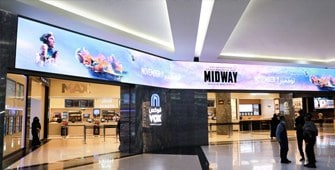
INDOOR LED SCREENS
Indoor LED screens are designed for controlled environments where audiences may view content from relatively short distances. Common applications include shopping malls, retail stores, reception areas, corporate offices, conference rooms, showrooms and entertainment venues.
Indoor displays typically prioritise image detail, appropriate brightness, viewing angles and integration with the surrounding interior.
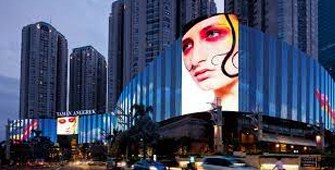
OUTDOOR LED SCREENS
Outdoor LED screens are designed for external environments where displays may be exposed to sunlight, heat, dust, rain and changing weather conditions.
They are used for building facades, outdoor commercial displays, digital signage, events and selected advertising locations. Outdoor installations require suitable brightness, environmental protection, ventilation, electrical systems and structural support.
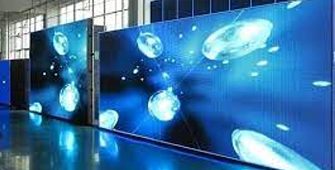
LED VIDEO WALLS
LED video walls combine multiple LED modules or cabinets to create a continuous large-format display without the conventional bezels associated with tiled LCD screens.
They are suitable for corporate presentations, control rooms, hotel lobbies, auditoriums, retail installations, exhibitions and entertainment venues.
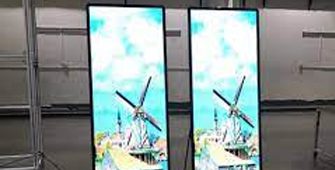
LED POSTER DISPLAYs
LED posters are slim digital displays used for promotional content, product information and branded messaging.
They are suitable for retail stores, hotel entrances, exhibitions, showrooms, reception areas and temporary promotional installations.
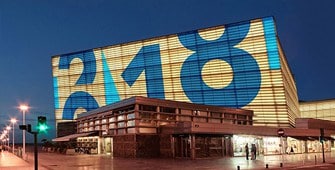
TRANSPARENT LED SCREENs
Transparent LED displays allow digital content to appear across glass surfaces while maintaining a degree of visibility through the screen.
They are commonly considered for retail windows, glass facades, shopping malls, showrooms and architectural installations.
Transparency, brightness, pixel pitch and viewing distance must be evaluated together.
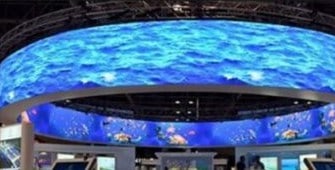
FLEXIBLE LED SCREENs
Flexible LED modules can be used for curved surfaces, cylindrical structures, columns and custom-shaped installations where a conventional flat display may not achieve the required design.
Applications include retail environments, exhibitions, hospitality interiors, entertainment venues and branded installations.
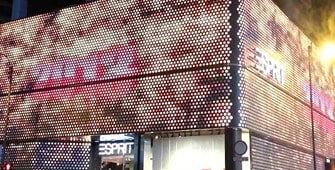
MESH LED Screens
Mesh LED screens use an open display structure that can be suitable for selected building facades, architectural installations and large-format digital displays.
Their open design can reduce visual density compared with conventional solid LED displays, although structural requirements, brightness and installation suitability remain important.
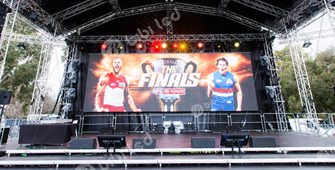
LED SCREEN RENTAL
Temporary LED screens can be rented for conferences, exhibitions, product launches, corporate events, presentations and entertainment.
Rental requirements should specify screen dimensions, installation location, viewing distance, event duration, content format, setup schedule and technical support.
WHAT IS AN LED DISPLAY SCREEN?
An LED display screen uses light-emitting diodes to produce digital images, video, graphics, text and other visual content.
Unlike conventional printed signage, LED displays can present dynamic and changing content. Depending on the display system, content may be updated locally, scheduled in advance or managed remotely.
LED screens are available in different sizes, shapes, pixel pitches, brightness levels, resolutions and indoor or outdoor specifications.
The correct LED screen is not necessarily the largest display or the screen with the finest pixel pitch. The technical specification should match the physical environment, intended content and expected viewing conditions.
LED SCREEN RATES & COST IN DUBAI, UAE
LED screen prices in Dubai vary depending on screen type, pixel pitch, resolution, brightness, dimensions, installation method and supporting equipment. Indoor LED screens, outdoor advertising displays, transparent LED screens and flexible LED installations have different pricing structures.
Estimated LED Screen Prices in Dubai
| LED Screen Type | Indicative Price (AED per m²) |
|---|---|
| Indoor LED Screen – P3 to P4 | 2,000–3,500 |
| Indoor LED Screen – P2 to P2.5 | 3,000–5,500 |
| Fine Pixel Pitch LED – P1.2 to P1.8 | 5,000–10,000+ |
| Outdoor LED Screen – P6 to P10 | 2,500–4,500 |
| Outdoor LED Screen – P3 to P5 | 3,500–6,500 |
| LED Video Wall | 3,000–8,000+ |
| Transparent LED Screen | 4,000–8,000+ |
| Flexible / Curved LED Screen | 5,000–10,000+ |
| Mesh LED Screen | 3,000–7,000+ |
Indicative equipment-only planning ranges in AED per square metre. These are not current supplier quotations and exclude installation, supporting structures, controllers, cabling, delivery, permits, maintenance and VAT unless specifically included in a quotation.
LED Screen Installation & Additional Costs
| Component | Indicative Cost (AED) |
|---|---|
| Basic Indoor LED Installation | 1,500–5,000+ |
| Outdoor LED Installation | 5,000–20,000+ |
| LED Video Processor / Controller | 1,000–6,000+ |
| Supporting Structure & Mounting | Based on site requirements |
| Electrical & Data Cabling | Based on installation |
| Content Management System | Based on software and licensing |
| Annual Maintenance Contract (AMC) | Based on screen size and service scope |
Installation charges depend on site access, screen size, mounting conditions, electrical infrastructure, structural requirements and project complexity.
Example: Cost of a 3m × 2m Indoor LED Screen
| Description | Estimated Cost |
|---|---|
| Screen Size | 6 m² |
| LED Specification | Indoor P2.5 |
| Estimated Equipment Rate | AED 3,000–5,500/m² |
| LED Screen Equipment Cost | AED 18,000–33,000 |
| Installation, Controller & Accessories | Additional |
| Total Project Cost | Subject to final specification |
These estimates are intended for initial budget planning. A final quotation should confirm the LED technology, screen dimensions, native resolution, controller, installation, warranty, maintenance arrangements and applicable taxes.
WHERE ARE LED SCREENS USED IN DUBAI?
LED screens are used across commercial, corporate, hospitality, retail and public-facing environments throughout Dubai and the UAE.
| Application | Typical LED Screen Use |
|---|---|
| Shopping Malls | Promotions, advertising, brand campaigns and digital directories |
| Retail Stores | Product launches, window displays and promotional messaging |
| Corporate Offices | Presentations, reception branding and information displays |
| Hotels & Hospitality | Guest information, entertainment and event content |
| Restaurants & F&B | Digital menus, offers and promotional content |
| Exhibitions | Stand branding, presentations and product demonstrations |
| Events & Conferences | Stage backdrops, presentations and live video feeds |
| Automotive Showrooms | Vehicle presentations, specifications and brand films |
| Real Estate Showrooms | Property visualisations and project presentations |
| Building Facades | Architectural digital displays and approved advertising |
| Entertainment Venues | Visual effects, video content and audience experiences |
| Control Rooms | Monitoring dashboards and operational information |
The technical requirements can differ considerably between these applications.
For example, a screen installed inside a retail store may require a finer pixel pitch than a large outdoor display intended to be viewed from a considerable distance.
TYPES OF LED DISPLAY SCREENS IN DUBAI
Indoor LED Displays
Indoor LED displays are suitable for environments with controlled lighting and relatively short viewing distances.
They can display advertising, promotional videos, presentations, digital menus, announcements, dashboards and live content.
Screen resolution and pixel pitch are particularly important when audiences stand close to the display.
Outdoor LED Displays
Outdoor LED displays require specifications appropriate for direct sunlight, environmental exposure and longer viewing distances.
Planning considerations include brightness, weather protection, structural loading, ventilation, power requirements, screen dimensions and maintenance access.
An indoor LED display should not be installed outdoors without the appropriate environmental specification.
Direct-View LED Video Walls
Direct-view LED video walls use LED modules to create a continuous display surface. They can be configured in different sizes and aspect ratios according to the project.
They are commonly used in corporate environments, retail spaces, showrooms, hospitality venues and auditoriums.
Architectural LED Displays
Architectural LED installations may incorporate transparent, flexible or mesh technologies.
They are selected when the display must integrate with glass, curved surfaces, facades or other architectural features.
The design should account for visibility, supporting structures, access and the intended visual effect.
INDOOR VS OUTDOOR LED SCREENS
Indoor and outdoor LED screens are designed for different operating environments.
| Factor | Indoor LED Screen | Outdoor LED Screen |
|---|---|---|
| Environment | Controlled interior spaces | External environments |
| Viewing Distance | Often closer | Often greater |
| Brightness | Lower to moderate | Generally higher |
| Weather Protection | Indoor specification | Outdoor-rated protection |
| Pixel Pitch | Often finer | Selected according to viewing distance |
| Typical Uses | Retail, offices, hotels, showrooms | Facades, events, outdoor signage |
| Installation | Interior mounting and support | Outdoor-specific structural and electrical planning |
| Maintenance | Indoor access requirements | Weather, heat and access considerations |
An outdoor screen is not simply an indoor screen with increased brightness. Weather protection, thermal management, structural requirements and electrical safety must also be considered.
UNDERSTANDING LED SCREEN PIXEL PITCH
Pixel pitch is one of the most important technical specifications when choosing an LED display.
It refers to the distance between the centres of neighbouring LED pixels and is generally measured in millimetres.
Common examples include P1.2, P1.5, P1.8, P2, P2.5, P3, P4, P5, P6, P8 and P10.
A smaller pixel pitch places pixels closer together and can provide greater image detail at shorter viewing distances.
A larger pixel pitch may be suitable when audiences view the screen from farther away.
General LED Pixel Pitch Guide
| Pixel Pitch | Typical Viewing Environment |
|---|---|
| P1.2–P1.8 | Premium indoor applications with very close viewing |
| P2–P2.5 | Corporate interiors, retail and close-viewing displays |
| P3–P4 | Indoor commercial displays and selected outdoor applications |
| P5–P6 | Medium-distance viewing and selected outdoor displays |
| P8–P10 | Large outdoor displays viewed from greater distances |
These are general planning guidelines rather than universal rules. The appropriate pitch depends on screen dimensions, viewing distance, content and installation conditions.
WHAT PIXEL PITCH SHOULD YOU CHOOSE?
Pixel pitch selection should begin with the closest realistic viewing distance.
A finer pitch may improve image quality for audiences standing close to the screen. However, selecting an unnecessarily fine pixel pitch can increase cost without providing a meaningful visual benefit at longer distances.
Important considerations include minimum viewing distance, typical viewing distance, screen size, content type, required resolution and budget.
LED SCREEN RESOLUTION, BRIGHTNESS & SIZE
LED Screen Resolution
Pixel pitch and physical screen dimensions determine the native resolution of an LED display.
Two screens with identical physical dimensions can have significantly different resolutions when they use different pixel pitches.
Content should be prepared according to the screen’s actual pixel dimensions and aspect ratio.
LED Screen Brightness
Brightness is commonly expressed in nits, also known as candelas per square metre.
Indoor screens operating in controlled lighting conditions generally require less brightness than outdoor screens exposed to daylight.
Excessive brightness can be uncomfortable indoors, while insufficient brightness can make outdoor content difficult to view.
LED Screen Size & Viewing Distance
Screen size should be selected according to available installation space, audience size, viewing distance, content requirements and architectural surroundings.
A very large screen in a small interior may be visually overwhelming, while an undersized display may be difficult to read from a distance.
WHAT CONTENT CAN BE DISPLAYED ON AN LED SCREEN?
LED screens can display a wide range of digital content, depending on the system and content management configuration.
Typical content includes videos, animations, product images, brand campaigns, promotional offers, digital menus, presentations, event information, announcements, dashboards and live feeds.
The creative should be developed according to the screen’s native resolution, aspect ratio, viewing distance and environment.
Content originally designed for mobile phones or television may require adaptation before being displayed on a large LED screen.
EDS can also support display content through its video production and photography services, depending on the creative requirements.
LED SCREENS FOR RETAIL STORES & SHOPPING MALLS
Retail LED displays are used to present product launches, seasonal campaigns, promotional offers, brand films and digital merchandising.
Common formats include indoor LED video walls, transparent window displays, flexible screens, LED posters and large digital displays.
Screen placement should complement the customer journey and store design.
Important considerations include viewing distance, customer movement, brightness, installation dimensions and content readability.
LED SCREENS FOR CORPORATE OFFICES
Corporate LED displays can be installed in reception areas, boardrooms, auditoriums, meeting spaces, experience centres and office lobbies.
Applications include corporate videos, presentations, company announcements, dashboards, live events and branded content.
For close-viewing environments, resolution, pixel pitch and installation finish can be more important than extreme brightness.
LED SCREENS FOR HOTELS & HOSPITALITY
Hotels, resorts and hospitality venues use LED displays for brand content, guest information, conferences, promotions, entertainment and wayfinding.
Displays may be integrated into reception areas, conference spaces, restaurants, ballrooms and public interiors.
Important factors include screen finish, viewing distance, installation detail, brightness, noise, maintenance access and compatibility with the interior design.
LED SCREENS FOR EVENTS & EXHIBITIONS
LED screens are commonly used at exhibitions, conferences, corporate events, product launches and entertainment programmes.
Applications include stage backdrops, presentations, video playback, live camera feeds, sponsor branding and event information.
Temporary installations require planning around screen dimensions, venue restrictions, rigging or structural support, power, setup schedules and technical operation.
Rental may be more appropriate than purchasing when the screen is required for a defined event period.
LED SCREENS FOR RESTAURANTS & F&B
Restaurants and food service businesses use LED displays for digital menus, promotional content, product visuals, offers and branded entertainment.
Screens may be installed inside the venue, across food courts, through shop windows or in approved outdoor locations.
For menus and detailed product information, readability is often more important than choosing the largest available display.
LED SCREENS FOR SHOWROOMS
Automotive, property, furniture, technology and other showrooms can use LED screens to create immersive product presentations.
Typical content includes product demonstrations, specifications, brand films, property visualisations, promotional campaigns and presentations.
The screen format should be selected according to the showroom layout, customer viewing distance and type of content.
LED SCREEN PURCHASE VS RENTAL IN DUBAI
Businesses can either purchase LED screens for permanent installations or rent them for temporary requirements.
| Factor | Permanent LED Installation | LED Screen Rental |
|---|---|---|
| Duration | Long-term use | Short-term use |
| Typical Applications | Retail, offices, hotels, showrooms | Events, exhibitions, conferences |
| Ownership | Purchased equipment | Temporary equipment use |
| Installation | Designed for the permanent site | Designed for event setup and removal |
| Maintenance | Long-term service planning | Usually linked to rental scope |
| Content Management | Ongoing content updates | Event-specific operation |
| Commercial Consideration | Capital investment and lifecycle costs | Rental period and event services |
Permanent installations require greater consideration of reliability, service access, power, content management and future maintenance.
Rental projects place greater emphasis on event logistics, installation timing, technical operation and dismantling.
HOW MUCH DOES AN LED SCREEN COST IN DUBAI?
There is no single standard price for an LED display screen in Dubai.
Pricing varies according to the screen’s dimensions, pixel pitch, resolution, brightness, indoor or outdoor specification, LED technology, cabinet design, control system and installation requirements.
LED Screen Cost Factors
| Cost Factor | Impact on Pricing |
|---|---|
| Screen Size | Larger displays generally require more modules and supporting equipment |
| Pixel Pitch | Finer pitch can increase equipment cost |
| Indoor or Outdoor Specification | Outdoor systems require additional environmental protection |
| Brightness | Higher brightness requirements may affect component selection |
| Screen Technology | Transparent, flexible and mesh displays have different specifications |
| Cabinet & Module Design | Construction, weight and serviceability affect pricing |
| Control System | Processing, controllers and connectivity influence system cost |
| Installation Structure | Mounting and structural support vary by site |
| Electrical Requirements | Power distribution and cabling may add cost |
| Maintenance Access | Front-service and rear-service requirements affect design |
| Content Management | Software and control arrangements may affect project cost |
Two screens of identical physical dimensions can have substantially different prices if their pixel pitches, brightness levels or installation specifications differ.
For accurate pricing, a quotation should be based on the actual project requirements rather than screen size alone.
WHAT INFORMATION IS NEEDED FOR AN LED SCREEN QUOTATION?
An initial LED screen quotation typically requires the following information:
Indoor or outdoor installation.
Installation location.
Approximate screen width and height.
Expected viewing distance.
Permanent installation or temporary rental.
Intended application and content.
Photos or drawings of the installation location.
Approximate project budget, where available.
Installation schedule.
Any existing power or structural provisions.
Where the technical specification is not yet known, the installation environment and intended use can be assessed before determining an appropriate configuration.
LED SCREEN INSTALLATION IN DUBAI
Permanent LED screen installation involves more than mounting the display panels.
Depending on the installation, technical requirements may include screen dimensions, supporting structures, electrical supply, data connectivity, ventilation, access, control systems and maintenance provisions.
Outdoor installations may additionally require consideration of wind loading, weather exposure, heat, waterproofing, brightness and applicable approvals.
The installation method should be developed around the physical site and selected LED system.
LED SCREEN CONTENT MANAGEMENT
Once installed, an LED screen requires a method of delivering and updating content.
Depending on the system, this may involve a media player, LED controller, content management system, local network or remote content management.
Content may be updated occasionally, scheduled regularly, changed remotely or distributed across multiple displays.
For businesses operating screens across several locations, centralised content management can help maintain consistent messaging.
LED SCREEN MAINTENANCE & SUPPORT
Permanent LED displays require suitable maintenance arrangements to support reliable operation.
Maintenance activities may include visual inspections, module checks, connection checks, software support, calibration, cleaning and preventive servicing.
Maintenance planning should begin during the design stage.
A display that is difficult to access may become more expensive and disruptive to maintain later.
For permanent installations, spare parts availability, technical support and maintenance access should be considered before purchasing the screen.
FRONT-SERVICE VS REAR-SERVICE LED SCREENS
Maintenance access can influence the physical design of an LED installation.
Front-Service LED Screens
Front-service LED systems allow relevant components to be accessed from the front of the display.
They may be suitable where limited space is available behind the screen.
Rear-Service LED Screens
Rear-service systems require access behind the display for maintenance.
They may be suitable for installations where sufficient rear clearance and safe access can be provided.
The appropriate configuration depends on installation space, supporting structure, screen design and maintenance requirements.
LED SCREENS VS LCD VIDEO WALLS
LED screens and LCD video walls can both create large digital displays, but they use different technologies.
| Feature | Direct-View LED Screen | LCD Video Wall |
|---|---|---|
| Display Construction | Modular LED panels | Multiple LCD panels |
| Visible Panel Borders | No conventional LCD bezel lines | Bezel lines may remain visible |
| Size Flexibility | Supports many modular configurations | Based on panel dimensions |
| Pixel Pitch | Available in different pitches | Defined by LCD panel pixel density |
| Brightness | Varies by LED specification | Varies by LCD panel specification |
| Typical Applications | Large displays, custom sizes, commercial installations | Control rooms, information displays, selected interiors |
| Maintenance | Depends on LED module access | Depends on panel mounting and service access |
The most suitable technology depends on viewing distance, resolution requirements, available space, content and budget.
LED SCREEN PERMITS, APPROVALS & UAE REGULATIONS
LED screen installation requirements in Dubai and the UAE depend on the location, screen type, intended use and relevant jurisdiction.
An indoor display installed within a private commercial interior may have different approval requirements from a large outdoor electronic advertising screen.
Depending on the project, considerations may include property owner approval, screen dimensions, structural design, electrical safety, advertising content, installation safety and applicable permits.
Outdoor advertising screens may fall under relevant out-of-home advertising regulations and local authority requirements.
Projects located within free zones or special developments may also be subject to the rules of the relevant authority or property management entity.
For outdoor advertising applications, EDS also provides information on outdoor advertising in Dubai and UAE.
Final approvals depend on the installation location, screen specification and intended use.
LED Screens & Digital Screens FAQ’s
What is an LED display screen?
An LED display screen uses light-emitting diodes to show digital images, videos, graphics and text. LED displays are available in different sizes, resolutions, brightness levels and configurations for indoor and outdoor applications. They are commonly used for advertising, retail promotions, corporate presentations, events and digital signage.
How much does an LED display screen cost in Dubai?
LED screen prices in Dubai depend on screen dimensions, pixel pitch, brightness, technology, indoor or outdoor specification, control systems and installation requirements. Larger screens, finer pixel pitches and specialised display technologies can increase the overall cost. A project-specific quotation is needed to determine the actual price.
What is pixel pitch in an LED screen?
Pixel pitch is the distance between the centres of neighbouring LED pixels, measured in millimetres. A smaller pixel pitch generally provides greater image detail at shorter viewing distances. Common specifications include P1.2, P1.5, P1.8, P2, P2.5, P3, P4, P5, P6, P8 and P10.
Which pixel pitch is best for indoor LED screens?
The appropriate pixel pitch depends on viewing distance, screen dimensions and content. P1.2–P2.5 displays are often considered for close-viewing indoor applications such as corporate offices, retail stores, showrooms and reception areas. Larger pixel pitches may suit environments where viewers are farther away.
What is the difference between indoor and outdoor LED screens?
Indoor LED screens are designed for controlled environments where audiences generally view content from shorter distances. Outdoor LED screens require suitable brightness, weather protection, structural support, electrical systems and environmental specifications to operate in external conditions.
Can LED screens be installed in shopping malls and retail stores?
Yes. LED screens are used in shopping malls and retail stores for advertising, promotional campaigns, product launches, digital merchandising, window displays and customer information. Suitable formats include indoor LED video walls, transparent LED displays, flexible screens and LED posters, subject to installation requirements and approvals.
What is the difference between LED screens and LED video walls?
An LED screen is a digital display using light-emitting diode technology. An LED video wall generally refers to a larger display assembled from multiple LED modules or cabinets to create a continuous viewing surface. LED video walls are commonly used in corporate offices, shopping malls, hotels, showrooms and entertainment venues.
Are transparent LED screens suitable for glass windows?
Transparent LED screens can be suitable for selected glass windows, retail storefronts and building facades. They allow digital content to appear while maintaining a degree of visibility through the display. Suitability depends on the glass structure, desired transparency, viewing distance, brightness and installation requirements.
Can LED screens be rented for events in Dubai?
Yes. LED screens can be rented for exhibitions, conferences, corporate events, product launches, presentations and entertainment. Rental specifications depend on the venue, screen dimensions, viewing distance, event duration, installation arrangements and technical support requirements.
Do outdoor LED screens require permits in Dubai?
Some outdoor LED installations require approvals or permits depending on their location, size, intended use and advertising content. Requirements may involve the relevant municipality, property owner, development authority or other applicable regulator. Approval conditions should be confirmed before installation.
What maintenance is required for LED display screens?
LED screen maintenance may include module inspections, connection checks, cleaning, calibration, software support, brightness adjustments and preventive servicing. Maintenance requirements depend on the screen technology, installation environment, operating hours and accessibility of components.
Does EDS supply and install LED display screens in Dubai and UAE?
Yes. Established in Dubai in 2006, EDS provides LED display solutions for businesses across Dubai, Abu Dhabi, Sharjah and other UAE emirates. Depending on the project scope, services can include screen selection, technical planning, supply, installation, configuration, content requirements and ongoing maintenance support.