DIGITAL MARKETING


Taxi Advertising in Dubai, Taxi Branding & Wrap Advertising in Dubai
Taxi advertising in Dubai places brands on the move across the city, creating mobile Out-of-Home (OOH) visibility as taxis travel between residential communities, business districts, shopping destinations, hotels, tourist areas, airports and major road networks.
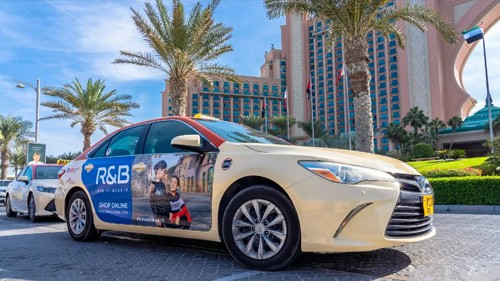
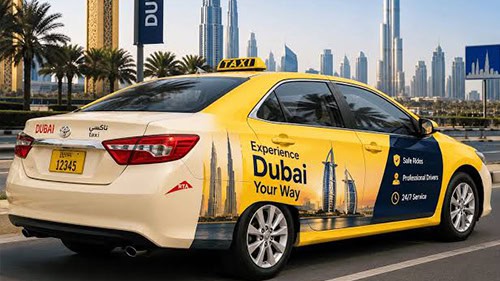
EDS provides access to taxi advertising opportunities in Dubai, including full taxi wraps, partial wraps, door and side-panel branding, rear advertising, interior media and selected digital taxi advertising, subject to current fleet availability and approved media inventory.
Unlike a fixed billboard, a branded taxi moves according to passenger demand and fleet operations. Taxi advertising should therefore be considered a mobile OOH format providing distributed visibility across Dubai, rather than advertising tied to one guaranteed road, district or route.
WHAT IS TAXI ADVERTISING?
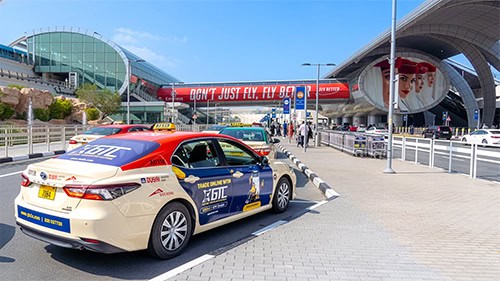
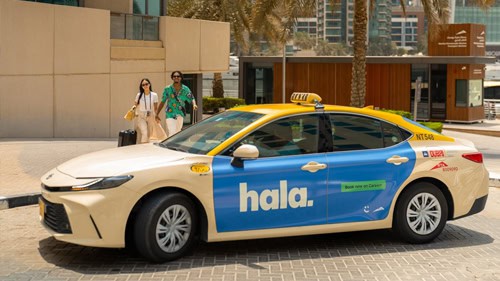
Taxi advertising is a form of mobile Out-of-Home advertising that uses approved exterior, interior or digital areas of taxis to display advertising messages.
Depending on the taxi fleet and available media inventory, formats can include:
Full Taxi Wraps • Partial Taxi Wraps • Taxi Door Branding • Side-Panel Advertising • Rear Advertising • Rooftop Media • Interior Advertising • Digital Taxi Media
The exact formats available depend on the taxi operator, advertising rights, vehicle specifications, approved inventory and campaign period.
TAXI ADVERTISING RATES & COST IN DUBAI
Taxi advertising costs in Dubai depend on the advertising format, number of taxis, selected fleet, campaign duration, production requirements and current availability.
The following indicative ranges can be used for initial campaign budgeting:
| Taxi Advertising Format | Advertising Placement | Estimated Monthly Cost (AED) |
|---|---|---|
| Full Taxi Wrap | Extensive exterior vehicle branding | AED 800 – 1,200 per taxi |
| Taxi Roof LED Advertising | Digital rooftop advertising | AED 500 – 800 per taxi |
| Airport Taxi Advertising | Selected airport-oriented taxi advertising | AED 1,000 – 3,500 per taxi |
| Taxi Fleet Campaign – 50+ Taxis | Larger multi-vehicle campaigns | AED 80,000 – 200,000+ per campaign |
These figures are indicative advertising rates rather than fixed quotations. Final pricing can vary according to the taxi fleet, number of vehicles, advertising format, campaign duration, production requirements, applicable approvals and current availability.
WHAT AFFECTS TAXI ADVERTISING COSTS?
Advertising Format
Rear panels, door branding, partial wraps, full wraps, interior media and digital roof advertising have different media and production costs.
Number of Taxis
Campaign budgets depend substantially on the number of participating vehicles. A campaign using 10 taxis will have a different cost structure from a campaign using 50 or 100 taxis.
Taxi Fleet
Rates and available advertising formats can differ according to the selected taxi fleet, vehicle type and media inventory.
Campaign Duration
The booking period can affect the overall commercial structure of the campaign.
Production & Installation
Exterior branding may involve additional costs for printing, production, installation and removal. These should be confirmed as part of the campaign quotation.
Digital Advertising Rotation
For digital taxi advertising, the commercial value can also depend on the number of screens, fleet coverage, spot duration, advertising loop and Share of Voice.
For an accurate quotation, advertisers should provide:
Campaign Dates • Preferred Format • Number of Taxis • Campaign Duration • Target Audience • Approximate Budget
WHY TAXI ADVERTISING IN DUBAI?
The main advantage of taxi advertising is mobility.
A fixed outdoor advertisement remains in one location, while participating taxis can move through different residential, commercial, retail, hospitality and tourism areas throughout the day.
Taxi advertising can therefore create visibility among:
Motorists • Pedestrians • Taxi Passengers • Residents • Tourists • Shoppers • Professionals • Business Travellers
According to Dubai’s Roads and Transport Authority, Dubai taxis carried approximately 209 million passengers across 120.1 million trips during 2025, demonstrating the scale of taxi activity across the Emirate.
These figures represent Dubai’s overall taxi network and should not be interpreted as the reach or impressions of an individual advertising campaign. Actual campaign exposure depends on the number of branded taxis, campaign duration, fleet deployment and advertising format.
TYPES OF TAXI ADVERTISING IN DUBAI
Full Taxi Wrap Advertising
Full taxi wraps use a substantial portion of the approved vehicle exterior to create a highly visible mobile brand presence.
The larger creative area can accommodate distinctive branding and is commonly considered for:
Brand Campaigns • Product Launches • Property Marketing • Retail • Tourism • Entertainment
The permitted branding area depends on the selected taxi fleet, vehicle model and approved advertising template.
Partial Taxi Wrap Advertising
Partial wraps use selected areas of the taxi rather than branding most of the vehicle.
Depending on the approved format, advertising can appear across the doors, side panels, rear areas or a combination of exterior surfaces.
This provides a more concentrated branding format while retaining visibility as the taxi travels through Dubai.
Taxi Door & Side-Panel Advertising
Door or superside advertising positions the campaign prominently along the side of the taxi, where it can be seen by motorists, pedestrians and surrounding road users.
Because the advertising area is smaller than a full wrap, creative should concentrate on:
Brand Name • Strong Visual • Short Headline • Simple Message
Rear Taxi Advertising
Rear advertising is primarily visible to motorists travelling behind the taxi.
The format generally works best with:
Large Typography • Strong Branding • Short Message • Clear Visual
Detailed copy should be avoided because viewing time can be limited.
Taxi Roof & Digital Advertising
Selected taxi fleets may offer rooftop or digital roof advertising, subject to current authorised inventory.
Digital formats can allow multiple creatives or changing messages depending on the media system.
When evaluating digital taxi advertising, consider:
Screen Position • Fleet Coverage • Spot Duration • Advertising Rotation • Operating Period • Share of Voice
Interior Taxi Advertising
Interior taxi media reaches passengers during their journey.
Depending on available inventory, formats can include passenger-facing digital screens, headrest advertising and other approved interior placements.
Because passengers may have longer viewing time than audiences seeing exterior taxi branding, interior media can accommodate more detailed communication where appropriate.
EXTERIOR VS INTERIOR TAXI ADVERTISING
Exterior and interior taxi advertising reach audiences in different environments.
| Consideration | Exterior Taxi Advertising | Interior Taxi Advertising |
|---|---|---|
| Primary Audience | Motorists and pedestrians | Taxi passengers |
| Main Role | Mobile brand visibility | Passenger communication |
| Viewing Time | Generally shorter | Potentially longer |
| Creative Style | Bold and simple | Can contain more information |
| Exposure | During taxi journeys | During passenger journeys |
| Digital Options | Selected roof formats | Selected passenger screens |
| QR Codes | Limited practicality | More suitable where permitted |
Some campaigns may combine exterior and interior advertising, subject to available inventory.
WHERE CAN BRANDED TAXIS BE SEEN IN DUBAI?
Taxi advertising is different from fixed-location OOH because participating vehicles move according to passenger demand and fleet deployment.
Branded taxis may travel through areas such as:
Sheikh Zayed Road • Downtown Dubai • Business Bay • DIFC • Dubai Marina • JBR • Palm Jumeirah • Jumeirah • Deira • Bur Dubai • Al Barsha • Dubai Hills • Dubai International Airport Area • Shopping Destinations • Hotels • Residential Communities • Exhibition & Event Areas
These locations are examples of areas where taxis may operate and should not be interpreted as guaranteed campaign routes or advertising locations.
Unless a specific media package provides defined fleet or location conditions, taxi advertising should be considered mobile geographic exposure rather than fixed-location placement.
WHO USES TAXI ADVERTISING IN DUBAI?
Taxi advertising can be relevant to businesses seeking mobile visibility across different parts of Dubai.
| Industry | Potential Taxi Advertising Use |
|---|---|
| Real Estate | Property launches and developer branding |
| Hotels & Tourism | Hotels, attractions and visitor campaigns |
| Retail | Store openings, promotions and product launches |
| Restaurants & F&B | Restaurant openings and brand awareness |
| Automotive | Vehicle launches and dealership campaigns |
| Banking & Financial Services | Approved consumer and corporate campaigns |
| Entertainment & Events | Exhibitions, attractions, concerts and events |
| Apps & Online Services | App awareness and digital-service campaigns |
The appropriate taxi format depends on the campaign objective. Exterior branding generally requires shorter, highly visual communication, while interior media can accommodate more detailed messaging.
TAXI ADVERTISING CREATIVE BEST PRACTICES
Taxi advertising is often viewed while the vehicle, the audience or both are moving. Creative therefore needs to communicate quickly.
Keep the Message Short
Use one primary message rather than trying to communicate multiple product features.
Make the Brand Prominent
The logo or brand name should remain recognisable from a practical viewing distance.
Use Large, Readable Typography
Small text and detailed copy can be difficult to process on a moving vehicle.
Design Around the Vehicle
Taxi wrap artwork should be created around the vehicle shape, doors, windows and approved branding areas rather than simply resizing artwork designed for another advertising medium.
Keep the Visual Simple
One strong visual can generally communicate more effectively than multiple competing design elements.
Adapt Creative for Each Format
A full taxi wrap, door panel, rear advertisement and passenger screen have different dimensions and viewing conditions. The same creative should not automatically be applied to every format without adaptation.
TAXI ADVERTISING AVAILABILITY IN DUBAI
Taxi advertising inventory depends on:
Taxi Fleet • Advertising Format • Number of Vehicles • Campaign Dates • Existing Bookings • Approved Inventory
Not every format is available across every taxi fleet, and availability can change according to existing campaigns.
Advertisers should therefore confirm the required fleet size, advertising format and campaign dates before finalising artwork or production.
For campaigns requiring a large number of taxis or fixed launch dates, earlier planning can provide more time to evaluate available fleet options.
TAXI ADVERTISING RULES & REGULATIONS IN DUBAI
Taxi advertising in Dubai is subject to applicable advertising, vehicle, transport, safety, fleet and creative requirements.
The exact requirements depend on the selected taxi fleet, advertising format, vehicle type and campaign content.
Approved Advertising Areas
Branding can only be applied to authorised areas of participating vehicles. Permitted areas vary according to the taxi model, fleet and selected advertising format.
Vehicle & Road Safety
Advertising must not interfere with the safe operation or identification of the vehicle.
Required elements such as licence plates, taxi identification, lights, safety markings, mandatory signage and driver visibility must remain unobstructed.
Artwork & Content Approval
Campaign artwork may require review before production and installation.
Requirements can relate to:
Advertising Content • Artwork Dimensions • Vehicle Templates • Brand & Product Information • Image Quality • Production Specifications • Approved Branding Areas
Additional approvals may apply to certain advertising categories or claims.
Production & Installation
Taxi branding should be produced and installed according to the specifications associated with the selected vehicle and advertising format.
EDS coordinates with relevant media owners, fleet operators and applicable stakeholders according to the requirements of the selected taxi advertising opportunity.
Explore Transit Advertising Across Dubai
Explore transit advertising opportunities across Dubai, including Dubai Metro advertising, Dubai Tram advertising, bus advertising, bus shelter advertising, taxi advertising and other transit media formats across selected transport networks, stations, routes and locations throughout the emirate.
Discover available transit advertising formats, locations, indicative rates and campaign opportunities in Dubai based on your campaign objectives, preferred areas, duration, budget and current authorised media availability.
How much does taxi advertising cost in Dubai?
Taxi advertising costs in Dubai depend on the advertising format, selected fleet, number of taxis and campaign duration. Indicative rates can range from approximately AED 200–500 per taxi per month for selected interior formats, AED 300–600 for rear-panel advertising, AED 600–1,000 for door or superside branding and AED 800–1,200 for partial or full taxi wraps. Final rates depend on current inventory and campaign requirements.
What is taxi advertising in Dubai?
Taxi advertising is a mobile Out-of-Home (OOH) advertising format that places approved advertising on the exterior, interior or selected digital media areas of taxis operating across Dubai. Unlike a fixed billboard, branded taxis move through different residential, commercial, tourism, retail and transport areas during normal fleet operations.
What taxi advertising formats are available in Dubai?
Depending on current fleet and media inventory, options can include full taxi wraps, partial wraps, door or superside branding, rear-panel advertising, roof advertising, interior passenger media and selected digital taxi advertising formats.
How much does a full taxi wrap cost in Dubai?
A full taxi wrap is estimated at approximately AED 800–1,200 per taxi per month. Final pricing depends on the selected fleet, number of vehicles, campaign duration, production and installation requirements, applicable approvals and current availability.
Can I advertise only on taxi doors in Dubai?
Yes. Door or superside advertising may be available without branding the entire vehicle. Indicative rates are approximately AED 600–1,000 per taxi per month, subject to the selected fleet, number of taxis, campaign duration and current inventory.
Is interior taxi advertising available in Dubai?
Yes. Selected taxi fleets and media networks may offer passenger-facing advertising through digital screens, headrest media or other approved interior formats. Available formats, specifications and inventory depend on the selected fleet and media operator.
Is digital taxi advertising available in Dubai?
Selected taxi media networks may provide digital rooftop or passenger-facing advertising. Availability, screen specifications, spot duration, advertising rotation, playback frequency and Share of Voice should be confirmed for the selected media package.
Where do branded taxis travel in Dubai?
Participating taxis can travel through commercial, residential, tourism, retail, hospitality and transport areas across Dubai as part of their normal operations. Individual routes or specific locations generally cannot be guaranteed because taxi movement depends on passenger demand and fleet operations.
Can taxi advertising reach Dubai International Airport passengers?
Taxis regularly transport passengers to and from Dubai International Airport, so branded taxis can potentially gain visibility during airport-related journeys. Standard taxi advertising should not, however, be treated as guaranteed airport exposure unless the selected media package specifically provides this.
How many taxis should I use for an advertising campaign?
There is no standard fleet size suitable for every campaign. The number of taxis should be determined according to the campaign objective, advertising format, campaign duration, available budget and desired scale of mobile visibility. Larger fleets can provide broader presence across Dubai, subject to vehicle availability.
Does taxi advertising in Dubai require approval?
Yes. Taxi advertising is subject to applicable advertising, vehicle, fleet, content and branding requirements. Artwork, dimensions, production specifications and applicable approvals should be confirmed before branding is produced or installed.
Can EDS arrange taxi advertising in Dubai?
Yes. EDS operates as an advertising and media-buying agency and can help advertisers evaluate available taxi advertising formats, check current fleet inventory and coordinate campaigns with relevant media owners, fleet operators and other applicable parties, subject to availability and approvals.