


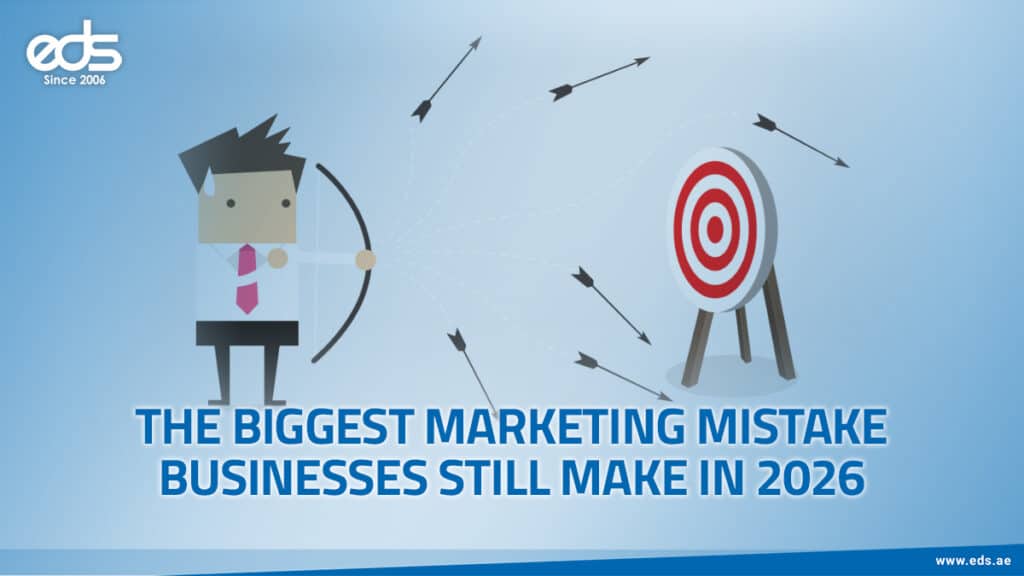
The marketing world continues to evolve rapidly, with businesses gaining access to advanced tools, multiple advertising platforms, and detailed customer insights. Yet despite these opportunities, many brands still make one critical mistake: they focus on selling before they focus on understanding. This disconnect often leads to wasted budgets, weak customer engagement, and disappointing results. Whether investing in digital marketing or traditional promotional channels, businesses that fail to understand their audience often struggle to achieve sustainable growth.
Chasing Visibility Instead of Relevance
Many companies believe that being seen everywhere automatically leads to success. While visibility matters, relevance matters more. Businesses frequently launch campaigns without clearly defining who their ideal customers are and what motivates them.
For example, a brand may invest heavily in social media marketing but create content that does not address customer needs or interests. As a result, engagement remains low despite consistent posting. Successful marketing starts with understanding customer behavior, pain points, and expectations before creating campaigns.
Inconsistent Brand Communication
Another costly mistake is sending mixed messages across different platforms. Customers today interact with brands through websites, advertisements, social media channels, and search engines. When these touchpoints fail to deliver a consistent message, trust begins to decline.
A professionally designed website supported by strong website design principles can create a positive first impression. However, if the brand’s advertisements communicate a different identity, customers may become confused. Consistency in tone, visuals, and messaging helps strengthen brand recognition and credibility over time.
Ignoring the Long-Term Value of Content
Many businesses focus only on immediate sales and overlook the importance of building authority. While short-term campaigns can generate quick responses, long-term success comes from creating value for customers.
This is where content marketing plays an important role. Educational blogs, helpful guides, and informative resources help establish expertise while building trust with potential customers. Combined with effective search engine optimization, quality content can continue attracting audiences long after it has been published.
Making Decisions Without Data
In 2026, marketing decisions should be guided by facts rather than assumptions. Yet many businesses still rely on guesswork when planning campaigns.
Tracking website visits, audience behavior, and campaign performance provides valuable insights into what is working and what needs improvement. Businesses running Google Ads campaigns, for instance, can identify which keywords and audiences generate the best results.
Treating Marketing as a One-Time Activity
Marketing is not a single campaign or seasonal effort. It is an ongoing process that requires consistency and adaptation. Businesses that stop communicating with their audience after a promotion ends often lose momentum and visibility.
Combining search engine marketing with strategic branding initiatives and outdoor advertising can help maintain a strong presence in the market. Continuous engagement keeps brands top-of-mind and encourages long-term customer relationships.
The Smarter Path Forward
The businesses that succeed in 2026 are not necessarily the ones with the biggest budgets. They are the ones that understand their customers, maintain consistent messaging, leverage data, and invest in long-term brand building.
Marketing success is no longer about reaching the largest audience. It is about delivering the right message to the right people at the right time.
For expert marketing support, contact EDS at +971-4-5193444, email info@eds.ae, or visit eds.ae.