
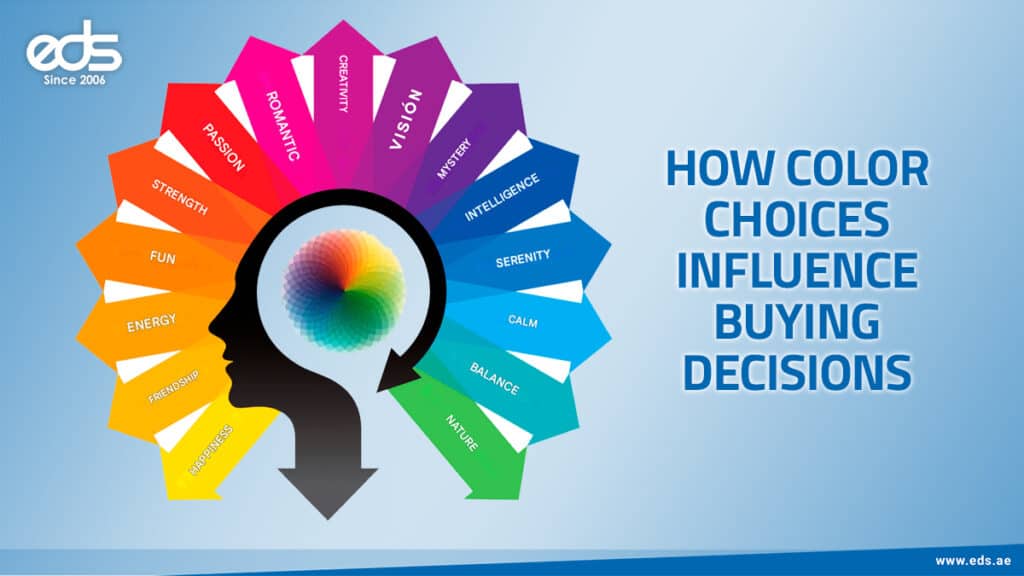
Before a customer reads your message, understands your offer, or compares your prices, they see your brand. And what they see first is color. In just a few seconds, color shapes perception, triggers emotion, and influences buying decisions – often without the customer even realizing it.
Color is not decoration. It is strategy.
The Psychology Behind Color
Every color carries emotional weight. Blue communicates trust and reliability. Red creates urgency and excitement. Green suggests growth and balance. Black signals luxury and authority. Yellow conveys optimism and warmth.
When applied thoughtfully in website design and development, colors guide visitors through a journey. A bold call-to-action button in orange or red can increase clicks. A calm blue background can encourage trust during a checkout process. Even subtle shades can influence how premium or affordable your product feels.
Color works on a psychological level, affecting how long users stay, what they notice first, and whether they feel confident enough to buy.
First Impressions Matter
Research shows that people form first impressions in seconds – and up to 90% of that judgment can be based on color alone. This is why businesses investing in creative design focus heavily on color palettes before launching campaigns or digital platforms.
A luxury brand using neon shades may confuse its audience. A children’s brand using dark greys may feel unapproachable. When colors align with brand positioning, they create visual harmony and emotional clarity.
The right colors make your audience feel, “This is for me.”
Color and Digital Conversions
In digital marketing, color is a powerful conversion tool. From landing pages to social media ads, strategic color contrast draws attention to key actions – Buy Now,” “Sign Up,” or “Learn More.”
For example:
- High contrast improves readability.
- Warm colors attract attention quickly.
- Cooler tones build trust for financial or service-based industries.
When combined with strong search engine optimization (SEO) strategies, color enhances user engagement – reducing bounce rates and increasing time spent on your website.
Cultural and Market Sensitivity
Color perception also varies across regions and cultures. A shade that symbolizes celebration in one country may represent caution in another. Businesses expanding through 360-degree marketing solutions must consider cultural interpretations before finalizing brand visuals.
Testing different color variations in campaigns is essential. Even small adjustments – like changing a button from green to red – can significantly affect conversion rates.
Retail, Packaging & Visual Merchandising
Color extends beyond screens. In retail environments, strategic color placement affects how products are noticed and purchased. Packaging with bold, high-contrast colors stands out on shelves. Softer tones communicate elegance and exclusivity.
Integrated advertising agency ensure consistency across online and offline platforms, reinforcing brand identity at every touchpoint.
Turning Color into Revenue
Color choices should never be random. They should align with:
- Brand personality
- Target audience psychology
- Industry positioning
- Marketing objectives
When aligned correctly, color becomes a silent salesperson – guiding decisions, building trust, and increasing conversions without saying a word.
If you’re looking to refine your brand visuals or optimize your digital presence, professional guidance can make all the difference.
Contact Details:
Phone: +971-4-5193444
Email: [email protected]
Website: eds.ae
Because sometimes, the most powerful message your brand sends… is the one people feel before they think.