


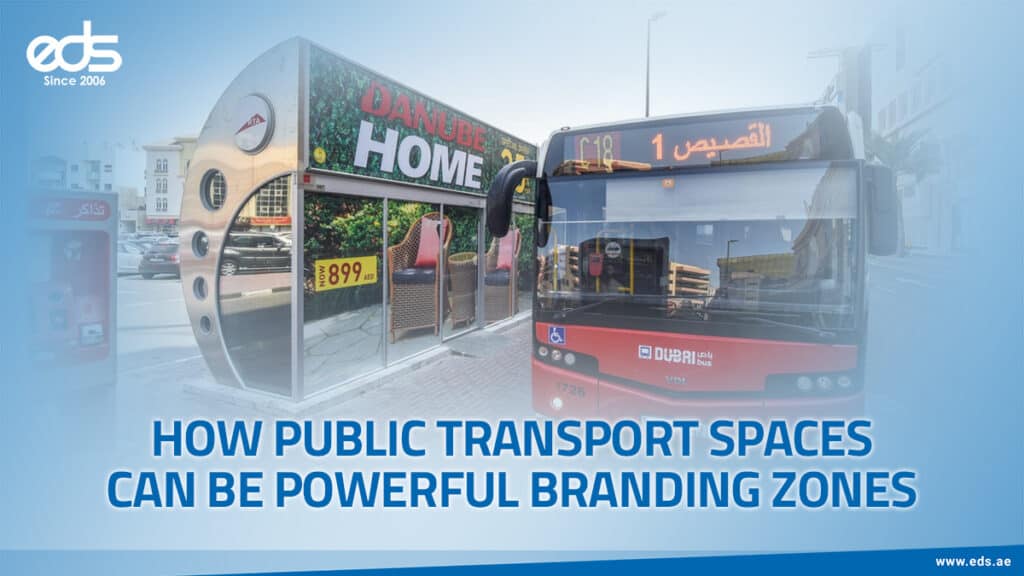
Urban transit hubs – whether bus shelters, railway platforms, or subway corridors – offer brands a unique canvas beyond traditional placements. These everyday spaces are full of movement, attention, and potential. But how can a brand transform a simple station or stop into an opportunity for connection and recall? Read on – and get ready for a few interactive moments.
🎯 Challenge for You: Observe Your Commute
Next time you’re waiting for a bus or train, take a small mental survey: how many displays do you notice around you? Posters, wall‑wraps, directional graphics, overhead panels – how many leave a mark on your memory even five minutes later?
This simple exercise reveals the power of outdoor media placements. Public transport zones bring together a diverse crowd: working professionals, students, tourists, families – people from many walks of life passing through. For a brand, that means a chance to engage broad audience segments all at once.
🖼️ From Pause to Presence: Turning Idle Moments into Brand Touchpoints
Most commuters spend time waiting or riding. That gives brands a valuable window to connect. With thoughtful creative production – striking visuals, bold murals, or narrative-driven panels – brands can convert mundane waiting areas into immersive experiences.
Quick prompt for you: Imagine the station closest to you. What kind of design would resonate? A colorful wall illustrating city life? A series of images telling a story as you walk from entrance to platform? Or a floor-to-ceiling visual that invites a second look? Sketch it in your mind or on paper.
By offering more than just a message – by creating a vibe – brands can turn a few idle minutes into memorable exposure.
🔗 Consistent Presence Across Touchpoints
Transit branding can also harmonize with other formats: printed brochures, in‑station flyers, creative brochures handed out nearby, or even ambient audio/visual elements inside trains or waiting areas. This multi‑channel cohesion reinforces brand identity and helps build familiarity over time.
Combining strategic campaign elements, print collateral and ambient media can anchor a brand in daily routines – not just as an advertisement, but as part of the city’s visual rhythm.
📈 Smart Placement: Timing and Location Matter
The most effective campaigns aren’t random – they’re carefully planned. By studying commuter flow, dwell times, and peak hours, brands can choose the best spots to maximize visibility. That’s where media planning and buying expertise plays a key role: placing your visual message where it will be seen, remembered, and associated with movement and purpose.
Think‑like‑a planner exercise: If your goal is to reach office-goers, which station or route during rush hour would you choose? If you’re targeting tourists, perhaps a central hub near transit exchanges works best.
🌟 From Functional Space to Engaging Canvas
Public transport environments are more than just functional. When thoughtfully leveraged, they become dynamic spaces that speak to people – not just as consumers, but as part of the city’s ebb and flow.
With a blend of branding solutions, design services, strategic placement, and creative campaign execution, these shared spaces can evolve into powerful zones of influence – turning routine commutes into subtle brand experiences that resonate, linger, and spread.
If you’re ready to explore how your brand can tap into these urban canvases – from concept to execution – drop us a line at info@eds.ae or visit eds.ae for a detailed consultation.
Urban transit hubs – whether bus shelters, railway platforms, or subway corridors – offer brands a unique canvas beyond traditional placements. These everyday spaces are full of movement, attention, and potential. But how can a brand transform a simple station or stop into an opportunity for connection and recall? Read on – and get ready for a few interactive moments.
🎯 Challenge for You: Observe Your Commute
Next time you’re waiting for a bus or train, take a small mental survey: how many displays do you notice around you? Posters, wall‑wraps, directional graphics, overhead panels – how many leave a mark on your memory even five minutes later?
This simple exercise reveals the power of outdoor media placements. Public transport zones bring together a diverse crowd: working professionals, students, tourists, families – people from many walks of life passing through. For a brand, that means a chance to engage broad audience segments all at once.
🖼️ From Pause to Presence: Turning Idle Moments into Brand Touchpoints
Most commuters spend time waiting or riding. That gives brands a valuable window to connect. With thoughtful creative production – striking visuals, bold murals, or narrative-driven panels – brands can convert mundane waiting areas into immersive experiences.
Quick prompt for you: Imagine the station closest to you. What kind of design would resonate? A colorful wall illustrating city life? A series of images telling a story as you walk from entrance to platform? Or a floor-to-ceiling visual that invites a second look? Sketch it in your mind or on paper.
By offering more than just a message – by creating a vibe – brands can turn a few idle minutes into memorable exposure.
🔗 Consistent Presence Across Touchpoints
Transit branding can also harmonize with other formats: printed brochures, in‑station flyers, creative brochures handed out nearby, or even ambient audio/visual elements inside trains or waiting areas. This multi‑channel cohesion reinforces brand identity and helps build familiarity over time.
Combining strategic campaign elements, print collateral and ambient media can anchor a brand in daily routines – not just as an advertisement, but as part of the city’s visual rhythm.
📈 Smart Placement: Timing and Location Matter
The most effective campaigns aren’t random – they’re carefully planned. By studying commuter flow, dwell times, and peak hours, brands can choose the best spots to maximize visibility. That’s where media planning and buying expertise plays a key role: placing your visual message where it will be seen, remembered, and associated with movement and purpose.
Think‑like‑a planner exercise: If your goal is to reach office-goers, which station or route during rush hour would you choose? If you’re targeting tourists, perhaps a central hub near transit exchanges works best.
🌟 From Functional Space to Engaging Canvas
Public transport environments are more than just functional. When thoughtfully leveraged, they become dynamic spaces that speak to people – not just as consumers, but as part of the city’s ebb and flow.
With a blend of branding solutions, design services, strategic placement, and creative campaign execution, these shared spaces can evolve into powerful zones of influence – turning routine commutes into subtle brand experiences that resonate, linger, and spread.
If you’re ready to explore how your brand can tap into these urban canvases – from concept to execution – drop us a line at info@eds.ae or visit eds.ae for a detailed consultation.